At North Sydney Plunge Pools, we help homeowners across Sydney NSW plan and install plunge pools the right way. That means we don’t just focus on the digging part, we also help with the steps that usually slow people down, like approvals, access planning, and making sure everything is safe and ready for handover.
In this guide, we’ll walk you through the full plunge pool installation timeline Sydney homeowners can expect, step-by-step. You’ll learn what happens before the dig, what happens on install week, what causes delays, and how to keep the whole job moving without stress.
Table of Contents
ToggleWhat Counts as “Build Time”? (So You Don’t Get Confused)
When someone says “build time”, they can mean different things. That’s why pool timelines can feel confusing.
Here are the 4 timelines people usually mean when they ask “how long does it take to build a plunge pool in Sydney?”
1) Lead time (from deposit to starting on-site)
This is the waiting time before any digging happens. It usually includes planning, approvals, engineering, and booking your job in.
For most Sydney homes, this is the slowest part.
2) On-site build time (work happening in your yard)
This is the physical work like excavation, installing the pool shell, plumbing and filtration setup and electrical connection.
This part is usually fast compared to approvals.
3) “Time to swim”
This is when your pool is installed, filled, running, and the water is balanced. You can often reach this stage before your backyard looks perfect.
4) “Time until everything looks finished”
This includes surrounds like paving or decking, pool fencing, landscaping, and final clean-up.
This can take longer because it depends on finishes and scheduling.
The Full Sydney Plunge Pool Timeline (Step-by-Step)
This is the full plunge pool installation timeline Sydney homeowners usually go through, from the first site check to handover.
I’ll explain it in plain English, so you know what’s happening and why each step matters.
Step 1: Site Check + Feasibility (Usually 1–7 Days)
This step is simple: we check if a plunge pool will actually work in your yard before we move forward.
A Sydney backyard can look easy on the surface, but there are a few things that can change the plan fast.
First, we check access. This is a big one. If machines and equipment can’t get into the yard properly, the job can take longer and cost more. Homes in tighter areas of Sydney often have narrow side access, so we need to plan that early.
Next, we check for underground services like water, stormwater, gas, and electrical. We don’t want surprises once digging starts, because hitting a service line can stop the whole job.
We also look at the ground and slope. Some sites have rock, soft soil, or sloping areas. These things don’t mean you can’t build a pool, but they can affect your timeline if they need extra work.
Then we confirm the pool size and position, based on how you actually want to use the plunge pool. Some people want a calm relaxing pool. Others want something deeper or more functional for exercise. That changes the best layout.
Step 2: Design Finalisation + Proposal + Contract (Usually 1–3 Weeks)
After the site check, the next step is locking in your plan so it can move into approvals and scheduling.
This stage is important because a lot of timeline delays don’t happen because of the build… they happen because decisions keep changing.
We start by confirming the pool size and model that fits your yard. In Sydney, space and access matter a lot, so we make sure the plunge pool you choose works with your block, not against it.
Then we go through the key choices that affect comfort and how the pool runs day to day, like:
- where thesteps go
- whether you want bench seating
- the depth you prefer
We also confirm your pool system setup. Even a small plunge pool needs the right equipment, so we lock in things like:
- your filtration system
- whether you want heating (like a heat pump)
- your sanitiser setup (most homeowners go with a salt system, but it depends on what you want)
And we don’t ignore the practical stuff. We also think about:
- how close the pool is to boundaries
- where water will drain properly (stormwater planning matters in Sydney)
Choosing the right precast concrete plunge pool early makes it easier to finalise the layout, confirm access requirements, and keep approvals moving without unnecessary redesigns.
Step 3: Approvals + Compliance (Usually 2–8+ Weeks)
For most homeowners, this is the part that makes the timeline feel slow.
Your plunge pool might only take days to 1–2 weeks to install on-site… but the job can’t start until approvals are sorted and the safety side is planned properly.
In Sydney, approvals usually follow one of two paths:
- DA (Development Application): used when the site or design needs more review
- CDC (Complying Development Certificate): usually faster when everything fits the standard rules
The main point is this: the approval path depends on your property, not just what you want.
Some builds go through smoothly. Others take longer because extra conditions are triggered.
For example, approvals can slow down if your property has things like:
- heritage restrictions
- flood or drainage issues
- bushfire-prone zones (BAL areas)
- easements or drainage lines in the way
- sloping ground that needs a retaining wall
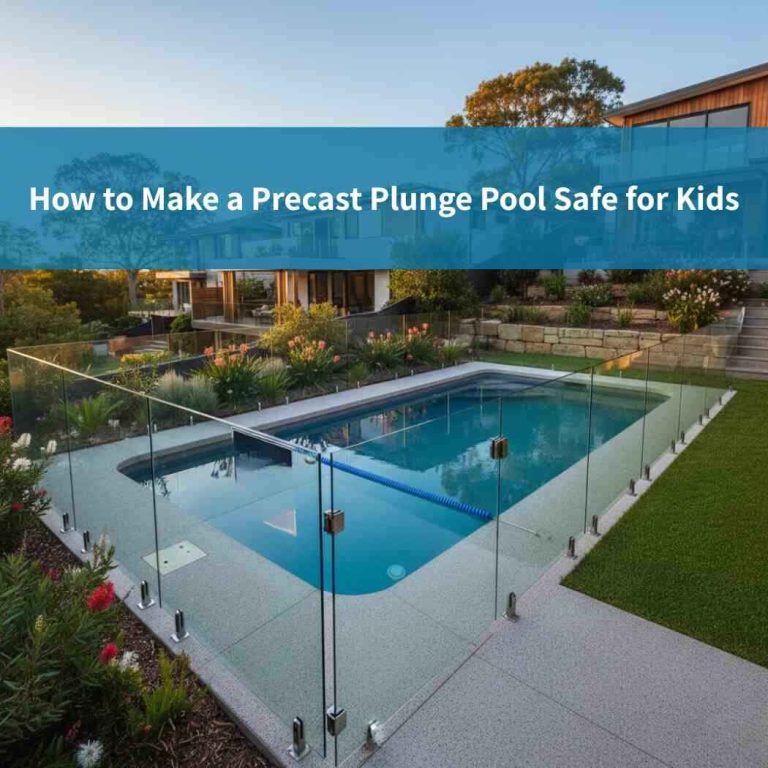
Another big part of this step is planning pool safety compliance, especially fencing. A lot of people leave fencing too late, then get stuck at the end waiting for sign-off.
Step 4: Scheduling + Lead Time (Usually 2–8 Weeks)
Once approvals are done, most people think the next step is excavation right away.
But in real life, there’s usually a short wait here because we need to lock in your start date and line up everything properly.
This stage is basically about making sure the build runs smoothly without gaps.
In Sydney, scheduling depends on a few real things:
- how busy the season is (warmer months book out fast)
- when trades are available (excavation, plumbing, electrical, concrete, fencing)
- whether a crane is needed (tight access installs take more planning)
- and how quickly materials and equipment can be prepared
This is also where some homeowners get frustrated because they feel “ready to go”, but the build team still needs the job to fit into a safe timeline.
The truth is, starting too early without the next steps booked can cause a worse delay later. It creates stop-start progress where the yard is half done, then nothing happens for weeks.
Step 5: Site Prep Before Dig Day (Usually 1–5 Days)
Before we start digging, we make sure your site is actually ready for machines, material movement, and safe work.
This step doesn’t sound exciting, but it saves a lot of delays.
In Sydney, a common issue is that the job is booked, the excavator arrives… then access isn’t ready. That can waste time straight away.
Site prep usually includes things like:
- setting up basic safety barriers (especially if kids or pets are around)
- removing anything that blocks access (like gates, fence panels, or tight entry points)
- protecting driveways and pathways if needed
- sorting out where soil will go once excavation starts
We also plan for waste and soil removal early, because excavation creates a lot of spoil. If that part isn’t organised, digging slows down because there’s nowhere to put the soil.
Step 6: Excavation (Usually 1–3 Days)
Excavation usually takes 1–3 days, but in Sydney it can change fast.
Sometimes you start digging and hit rock, so the crew needs more time or stronger equipment to break it safely. And if it rains hard and the soil gets soaked, digging straight away can be risky because the soil walls can move or collapse. When that happens, waiting a bit is actually the smarter move — it keeps the job clean and stops problems that can slow everything down later.
Once the hole is done, the team checks the levels and base, so the pool can sit properly and the next step can move forward without issues.
Step 7: Pool Shell Installation (Usually 1–2 Days)
This is the stage where things start to feel real fast.
Once excavation is done, installing the plunge pool shell usually takes 1–2 days, depending on access and how the pool gets into your yard.
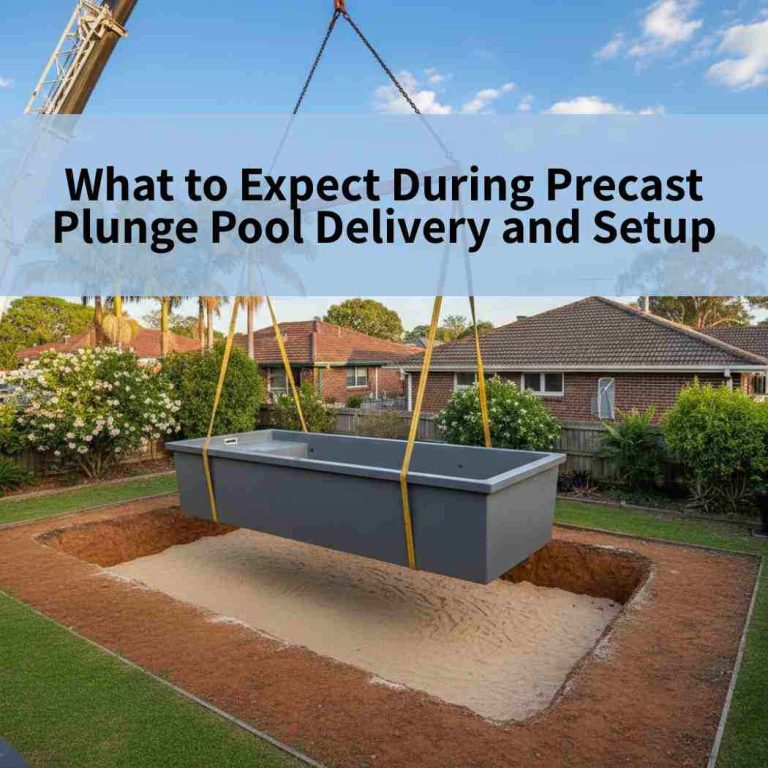
If access is good, a crane lift can place the pool into position quickly and cleanly. If access is tight, the installation can still be done, but it may take longer because everything has to be moved in carefully and set up step-by-step.
After the pool shell is in place, it’s usually filled with water either the same day or soon after. This helps stabilise the pool while the next stages are completed.
If you want to understand the lift day in more detail, our guide to what happens during precast plunge pool delivery and setup explains crane access, shell placement, site preparation, and the steps that happen straight after installation.
Step 8: Plumbing + Filtration Setup (Usually 1–3 Days)
After the pool shell is installed, we connect the plumbing and set up the filtration system. This is what makes the pool work properly day to day.
Most of the time, this takes 1–3 days.
At this stage, the team connects the pipes to the pool and links everything to the pump and filter system. This is also where we set up key parts like the skimmer and return outlets, so water can circulate and stay clean.
One important thing here is pressure testing. We don’t rush this part because once the plumbing is covered up, fixing leaks becomes much harder and more expensive.
Step 9: Electrical + Equipment Commissioning (Usually 1–5 Days)
Once plumbing is done, the next step is getting the pool powered safely and making sure everything runs the way it should.
This part usually takes 1–5 days, depending on the job setup and how quickly the electrician can attend.
A licensed electrician connects the power for the pool equipment, like the pump, filtration system, and any extras such as lights or a heat pump. This is also where safety items are handled properly, like isolator switch placement and correct earthing.
After the power is connected, we test the system and make sure the pool is circulating water correctly. This stage is important because it’s where we confirm the pool is working, not just installed.
Step 10: Structural Support / Concrete Beam / Backfill (Usually 1–3 Weeks)
This is one of the stages that surprises a lot of homeowners.
The pool might already be installed and filled, but the job isn’t “locked in” until the support around it is done properly. This step is what helps your pool stay stable long-term, especially with Sydney’s mix of soil types and weather.
This stage usually takes 1–3 weeks, depending on the engineering requirements and how the job needs to be staged.
Sometimes a short waiting period is needed so the ground can settle and everything can be supported the right way. Then the team completes the structural work, like the concrete beam and backfill around the pool.
This part is not something you want to rush. If it’s done too fast or done poorly, it can lead to movement, cracking, or problems with the surrounds later.
Step 11: Surrounds (Coping, Paving, Decking, Tiles) (Usually 1–3+ Weeks)
This is the stage where your pool area starts looking finished.
Surrounds usually take 1–3+ weeks, depending on what you choose and how detailed the work is.
Some finishes are quicker, like simple concrete paving. Others take more time, like stone coping, tiling, or decking, because they need more careful fitting and proper curing time.
This is also where the timeline can change if decisions aren’t locked in early. If you’re still choosing materials mid-build, the job can slow down while waiting for products or trades.
Step 12: Pool Fencing + Compliance Sign-Off (Usually 2–10 Days)
This step is one of the most important parts of the whole timeline, because it affects safety and final sign-off.
Pool fencing and compliance usually takes 2–10 days, depending on how quickly fencing can be installed and inspected.
Once the fence is installed, the gate needs to work properly too. The gate should close and latch the way it’s meant to, because this is a common reason inspections get delayed.
After that, the pool area is checked for compliance. This is the part that helps make sure the pool is safe and meets the required standards.
Step 13: Handover + Water Balancing + Owner Training (Usually 1 Day)
This is the final step before you can properly enjoy the pool without guessing what to do.
Handover usually takes one day.
At this stage, we make sure the pool is running properly, the water is balanced, and you understand the basics of how to look after it. We show you simple things like how to run the pump, what settings to use, and how to keep the water clean.
If you have a heat pump or other extras, we also explain how to use them efficiently so you don’t waste energy.
You’ll also get the key documents, including warranty details and the main care instructions.
Timeline Comparison: Plunge Pool Type vs Total Build Time
Not all plunge pools take the same amount of time to build, even if they look similar once they’re finished.
The biggest difference usually comes from how the pool structure is made and how much work needs to happen on-site. That’s why some plunge pool projects feel fast, while others take much longer, even before you add landscaping.
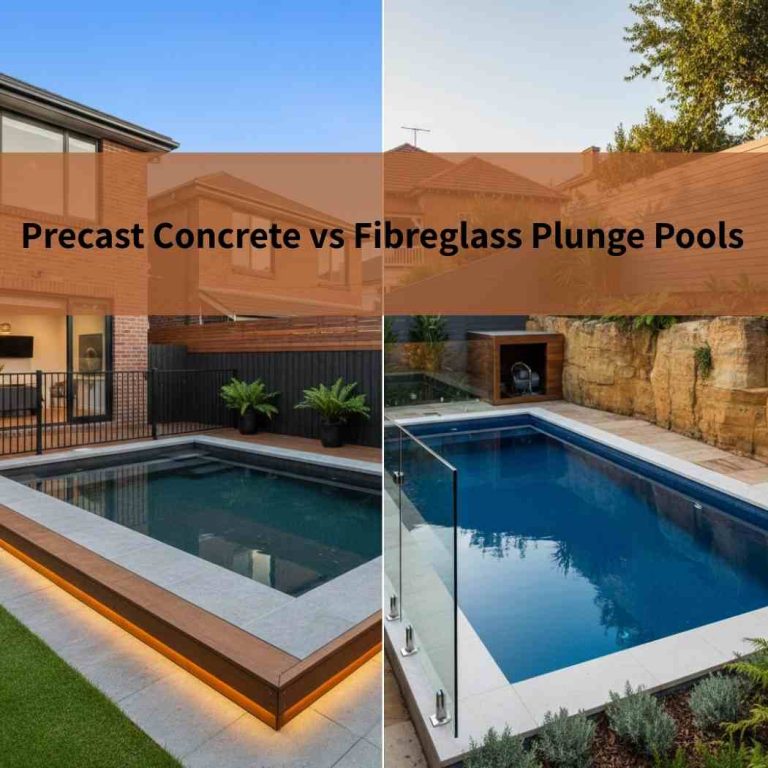
If you go with a precast concrete plunge pool, the on-site part is usually quicker because the main pool structure is already built and ready to install. You still need approvals, excavation, plumbing, electrical work, and finishing around the pool, but you usually don’t have weeks of pool structure building on the property.
But if you’re still deciding which structure suits your backyard best, our guide to above-ground and in-ground precast plunge pool options explains how each one affects installation complexity, access, cost, and finished appearance.
A fibreglass plunge pool is similar in that way. The shell arrives pre-made, so once the site is ready, the install can move quickly. The real timeline still depends on approvals, access, and trade scheduling, but the on-site work is normally shorter compared to fully custom builds.
A custom concrete plunge pool usually takes the longest. That’s because the pool is built step-by-step on your property. There’s more construction work involved, more curing time, and more chances for weather delays to slow things down. The big benefit is flexibility, but the trade-off is time.
What Causes Delays?
Most delays don’t happen because builders are slow. They happen because pool projects have a few bottlenecks that you can’t always see at the start.
In Sydney, the first big delay is usually approvals. Even when your plans are ready, approval time can vary depending on your property and what rules apply. If extra engineering is needed, or the plans need changes before they get accepted, the timeline stretches before the job even begins.
The next common delay is weather, especially when there’s heavy rain. Wet ground can slow excavation, and it can also push back concrete work. This isn’t about being picky, it’s because rushing work in bad ground conditions can cause bigger problems later, like shifting soil or messy finishes. Sometimes waiting a few days is actually the faster move long-term.
Another big delay is site conditions, especially if you hit rock or the soil isn’t stable. Sydney blocks vary a lot, and you won’t always know what’s under the ground until excavation starts. If the dig becomes harder than expected, the job can take longer because the team needs extra equipment or extra steps to prepare the base properly.
Delays also happen when trades aren’t lined up in the right order. Even if the pool is installed, the project can slow down if the electrician can’t come on time, fencing is booked too late, or surrounds are waiting on another contractor. Pool building is like a chain, one delay can affect the whole flow.
Finally, there can be delays from materials and equipment, especially in busy seasons. Things like coping stone, fencing materials, heat pumps, and even crane bookings can shift the timeline if they aren’t organised early.
How to Speed Up Your Plunge Pool Timeline (What You Can Control)
If you want a faster answer to “how long does it take to build a plunge pool in Sydney?”, the best thing you can do is remove delays that are caused by slow decisions and stop-start scheduling.
You can’t control everything. You can’t control council processing time, surprise rock in the ground, or a week of heavy rain. But you can control the parts that usually slow down homeowners the most.
One of the biggest time-savers is choosing your pool size and layout early. When the size is locked in, the planning becomes clearer, the drawings move faster, and approvals are easier because you’re not changing things halfway.
Another big one is approving your plans quickly once they’re ready. A lot of pool projects get delayed for no real reason because the paperwork is sitting there waiting. Even a few days of delay here can push your whole schedule back, especially during busy months.
It also helps to lock in your finishes early, like paving, coping, decking, and fencing type. Surrounds often take longer when homeowners are still picking styles while the build is already moving. If materials need ordering, you don’t want to find that out at the last minute.
And one simple tip that really helps in Sydney builds: book your fencing early. Fencing and compliance is often the last step before handover, and if it’s not organised in time, you can end up stuck waiting even though the pool is already installed.
Lastly, keeping your site access clear during install week sounds basic, but it matters. If machines can’t get in cleanly or materials can’t be delivered smoothly, the job slows down straight away.
Risks If You Rush the Build (and What It Breaks)
It’s normal to want the pool done fast. No one wants their backyard to feel like a worksite for weeks.
But rushing the wrong parts of the job can create problems that cost more time and money later. The goal isn’t to make the build slow, it’s to make sure the important steps are done properly so the pool stays strong and trouble-free.
One common issue is drainage. If drainage isn’t planned well, water can start pooling around the pool area, especially after heavy Sydney rain. Over time, that can soften the ground, affect the surrounds, and create mess you keep dealing with. Fixing drainage later is harder than doing it right at the start.
Another risk is rushing concrete and finishing work. Some parts need time to set properly. If they’re pushed too fast, you can end up with cracking, movement, or uneven paving around the pool. It might not show immediately, but it often shows up later.
Fencing is another one people try to “leave until the end.” The problem is, fencing isn’t just a nice add-on, it’s part of safety and compliance. If fencing is delayed, the whole handover can be delayed, even if the pool is already installed.
Electrical is also not something to rush. Pool equipment has to be installed safely, and if the job is done poorly or planned badly, it can cause faults, delays, or repeated call-backs.
Sydney-Specific Notes
Sydney is a bit different because no two properties feel the same.
Even if two homeowners choose the same plunge pool size, their timelines can still be totally different because of where they live, how the block is built, and how easy it is to work on the site.
One factor is local approval timing. Different council areas can move at different speeds, and some sites trigger extra checks depending on what the land is like. That’s why one home can get through approvals smoothly, while another needs more time even before work starts.
Access is another big Sydney issue. A lot of homes, especially older ones, have narrow side paths, tight driveways, or limited space to bring machinery in. When access is tight, the job can still be done, but it usually needs more planning and may move a bit slower.
Slope is also common in some areas. If the block isn’t flat, the project may need extra work like retaining or extra base preparation. That doesn’t mean the pool can’t happen, it just means the process has more steps.
And if you’re closer to the coast, it’s also smart to think long-term about equipment protection, because coastal air can be harsher on outdoor systems over time. It doesn’t always change the build timeline, but it can affect what products are best for your setup.
Conclusion
So, how long does it take to build a plunge pool in Sydney? In most cases, the on-site work can move fast, but the full timeline depends on approvals, scheduling, and how much finishing you want around the pool area.
The best way to avoid delays is simple: lock in your decisions early, get approvals moving as soon as possible, and plan your fencing and finishes before the build starts. That way, everything flows smoothly instead of turning into a stop-start project.
If you’re ready to explore a faster, factory-built option for your backyard, our precast concrete plunge pool range for Sydney homes gives you a closer look at sizes, features, and installation suitability.
FAQ
How long does plunge pool excavation take?
Most plunge pool excavation jobs take around 1–3 days, but it can take longer if the site has tight access, rock in the ground, or heavy rain slows the work down.
Can a plunge pool be installed in 1 week?
Yes, in some cases it can. If approvals are already done, the site is easy, and everything is scheduled properly, the on-site work can move quickly. But for most people, the full project timeline is longer because the waiting usually happens before the dig starts.
How long do approvals take in Sydney?
Approvals can vary a lot depending on your property, but a common range is a few weeks to 2 months or more. Things like drainage issues, slope, easements, or special restrictions can add time.
What time of year is fastest to build a plunge pool?
Quieter seasons are often easier to schedule because trades are less booked out. When everyone wants a pool during warm weather, install dates can fill up faster, so planning earlier usually gives you better timing.
What delays pool installation the most?
In Sydney, the biggest delays are usually:
- approvals and paperwork
- wet weather
- rock or difficult ground conditions
- trade scheduling (especially fencing and electrical)