At North Sydney Plunge Pools, we build low-maintenance, stylish pools designed for tight city yards. Our team follows Sydney Council rules and helps homeowners create calm backyard spaces that look beautiful and stay simple to care for.
In this guide, you’ll learn everything about plunge pools: what they are, the different materials, installation styles, council rules, costs, and how to choose the best one for your home. By the end, you’ll know if a plunge pool is right for your space, budget, and lifestyle.
What Is a Plunge Pool?
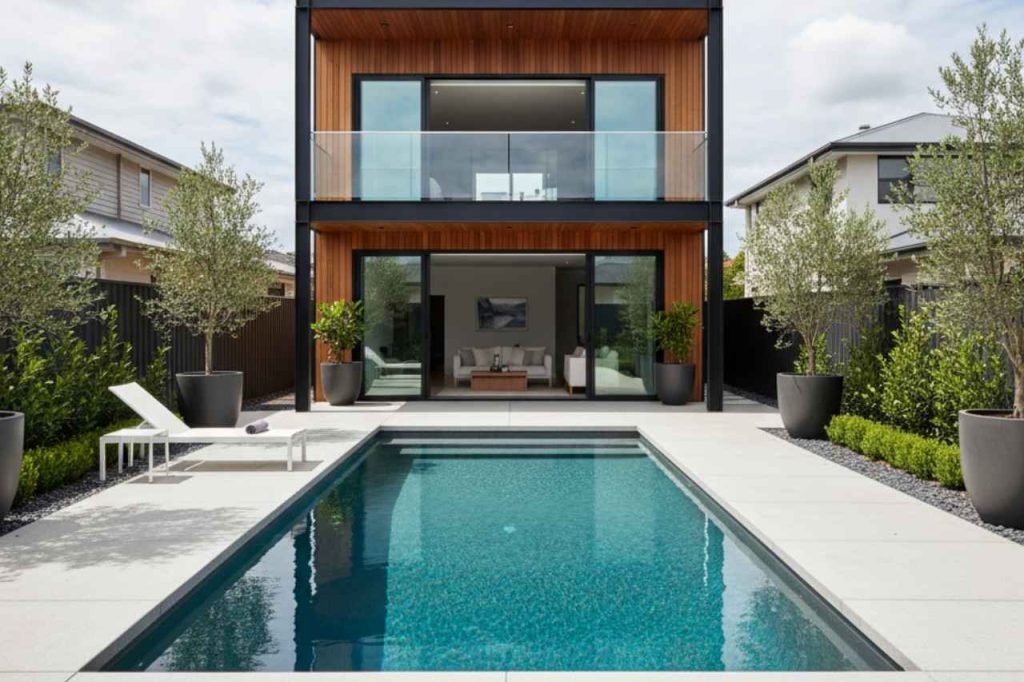
A plunge pool is a small, deep pool designed for relaxing, cooling off, or light exercise. Most Sydney plunge pools measure around 2–4 metres long, 2–3 metres wide, and 1.2–1.8 metres deep. They’re perfect for small city backyards, offering all the joy of a pool without needing much space or maintenance.
Plunge pools are popular in Sydney homes where outdoor space is limited. They give you a calm place to unwind, splash, or enjoy hydrotherapy after a long day without the cost or upkeep of a full-sized swimming pool.
You can choose from different installation styles:
- In-ground: Set completely into the ground for a seamless, high-end look.
- Semi-inground: Half above, half below the ground, ideal for sloping blocks or paired with decking.
- Above-ground: Fastest to install and best for tricky access sites or courtyards.
Many homeowners add spa jets, heating systems, or LED lights to enhance the experience. Others go for mineral or saltwater filtration systems for softer water that’s gentle on skin and eyes.
Because of their compact size, plunge pools use less water, less energy, and fewer chemicals, making them an eco-friendly and budget-smart choice for city living.
How Plunge Pools Function (Heating, Filtration & Circulation)
A plunge pool works just like a full-sized pool where water is pumped, filtered, and sanitised to keep it clean and safe. A pump moves the water through a filter, while chlorinators or mineral systems kill bacteria. You can also add heating to keep the water warm for all-year-round swimming.
Plunge pools might be smaller, but they still use the same core systems found in regular pools but just in a more compact setup that saves space, water, and power.
Here’s how it works step by step:
- Circulation: The pump pulls water from the pool and pushes it through the filter. This continuous movement keeps water from becoming stagnant.
- Filtration: The filter traps dirt, leaves, and debris. Sydney homeowners often use cartridge filters (for easy cleaning) or sand filters (for heavier use).
- Sanitisation: Once filtered, water passes through a chlorinator or mineral system, which adds the right amount of sanitiser to stop algae and bacteria.
- Heating (optional): You can choose from solar, gas, or electric heat pumps. Solar is the most eco-friendly, while gas heats up quickly for year-round comfort.
- Return flow: Clean, warm water flows back into the pool through inlet jets, keeping the temperature and cleanliness balanced.
Smart add-ons:
Modern plunge pools can include automation systems that let you control pumps, lights, and heating from your phone. Energy-efficient pumps and timers also help cut running costs, and a big plus for Sydney homes with smaller yards and busy lifestyles.
Understanding how your plunge pool works helps you maintain clear water, lower energy bills, and extend the life of your pool equipment.
Benefits of Plunge Pools for Small Urban Backyards
A plunge pool brings luxury and calm to small backyards without needing much space, maintenance, or cost. They fit neatly into narrow Sydney blocks, giving homeowners a peaceful, resort-style retreat right at home.
Many Sydney suburbs like Mosman, Neutral Bay, and Lane Cove have limited yard space but that doesn’t mean you can’t enjoy a pool. A compact plunge pool gives you the best of both worlds: modern design, relaxation, and easy upkeep.
- 🏡Save space: Fits perfectly in courtyards, terraces, or narrow city blocks where larger pools won’t fit.
- 💦Low upkeep: Uses less water, fewer chemicals, and less power, saving time and money.
- ✨Stylish design: Add stone coping, concrete decking, or LED lighting for a modern resort look.
- 😌Relaxation & recovery: Ideal for cooling off or using as a cold plunge after exercise, with optional hydrotherapy jets for sore muscles.
- 🌱Eco-friendly: Smaller water volume and energy-efficient pumps make it a smart, sustainable choice for Sydney homeowners.
- 💰Adds value: A well-designed plunge pool boosts property appeal and resale value in Sydney’s competitive market.
Whether you want a peaceful retreat or a stylish centrepiece for your backyard, a plunge pool can turn even the smallest space into something special adding comfort, relaxation, and real value to your home.
Get a Free Quote Now →For Sydney homeowners wanting comfort without high upkeep, benefits of a plunge pool in Sydney Australia explains why compact pools suit tight blocks and busy lifestyles.
Design Inspiration for Compact Sydney Backyards
Small backyards in Sydney can still look amazing with the right design. A plunge pool can become the highlight of your outdoor space, adding both style and relaxation even when space is limited. The goal is to make every corner feel intentional and connected.
Here are a few design ideas to inspire you:
- Seamless indoor–outdoor flow: Use sliding glass doors or open decks to connect your living area to the pool. It makes your home feel bigger and more welcoming.
- Natural touches: Add potted greenery, bamboo screens, or tropical plants around the pool. They soften the edges and give a relaxing, resort-style feel.
- Smart lighting: Warm LED lights along the pool and pathways add both safety and a calm evening glow.
- Textured finishes: Combine stone coping, timber decking, and matte tiles for a modern look that suits Sydney’s coastal vibe.
- Vertical landscaping: Use green walls or climbing plants to create privacy and lush greenery without taking up much space.
- Compact comfort: Add a small lounge corner, built-in bench, or outdoor shower beside the pool for a functional yet stylish finish.
Your backyard doesn’t need to be large to make an impact. With creative planning, the right finishes, and expert design, even the smallest Sydney yard can feel like your own private retreat.
What Are the Different Types of Plunge Pool Materials?
The best plunge pool material depends on your budget, yard access, and design goals. Concrete is the most custom, fibreglass is the fastest to install, and precast pools offer the best balance for Sydney homes.
When choosing the right material, it’s important to consider how you’ll use your pool, the look you want, and your property’s layout. Each material has its own advantages for cost, durability, and maintenance.
| Material | Key Features | Ideal For |
|---|---|---|
| Fibreglass | Smooth surface, fast installation, easy to clean | Busy families or coastal homes that want quick builds |
| Concrete | Fully custom design, premium finishes, long-lasting | Homeowners who want unique shapes and luxury finishes |
| Precast | Factory-made shell, quick setup, very durable | Tight access sites or sloped Sydney backyards |
| Vinyl | Cheapest upfront, but liners need replacing over time | Short-term budgets or DIY-friendly options |
| Stainless Steel | Sleek, modern look, strong and low maintenance | High-end city homes or modern architectural designs |
Tips for choosing the right material:
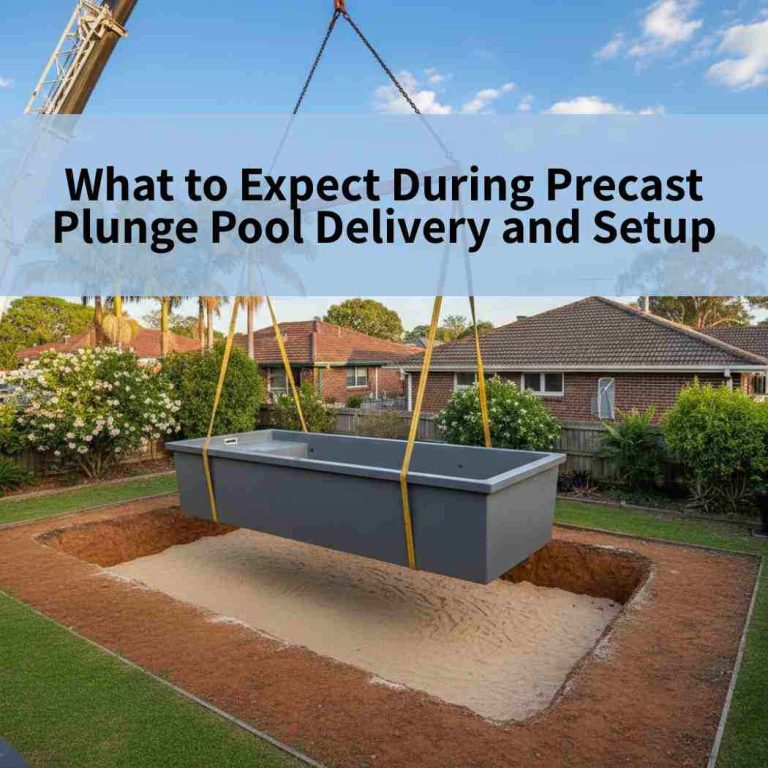
- For tight access, go with precast, it can be craned into place.
- If you want custom shapes and finishes, choose concrete.
- For fast, low-maintenance installs, fibreglass is ideal.
- To stay on budget, vinyl pools offer a simple short-term solution.
- If you want something ultra-modern, stainless steel adds a designer edge.
Each type can be paired with features like LED lighting, spa jets, or mineral filtration systems, helping you create a pool that matches both your lifestyle and your property.
Plunge Pool vs Other Pool Types
Plunge Pool vs Spa
A plunge pool gives you more space and can be used all year round, while a spa is smaller, always heated, and built mainly for relaxation and therapy.
When choosing between a plunge pool and a spa, it helps to think about how you’ll use it. Plunge pools suit families and small backyards that want a cooling dip in summer, while spas are better for warmth and year-round hydrotherapy.
| Feature | Plunge Pool | Spa |
|---|---|---|
| Size & Depth | Larger and deeper (2–4 m long, 1.2–1.8 m deep) | Smaller and shallow (1.5–2 m wide, 0.8–1 m deep) |
| Purpose | Relaxing, cooling off, light exercise | Hot water therapy and relaxation |
| Heating | Optional — solar, gas, or electric | Always heated |
| Maintenance | Easier to care for, uses less power | Slightly higher upkeep due to constant heat |
| Cost Range | $30,000 – $75,000 | $8,000 – $20,000 |
| Best For | Year-round use, small backyards, families | Compact spaces focused on wellness or recovery |
A plunge pool is great if you want a versatile pool that fits into a small backyard. It can stay cool in summer or be heated for cooler months, making it perfect for family use and light exercise. A spa is better suited for people who enjoy warmth, muscle recovery, and relaxing hydrotherapy. Many Sydney homeowners even combine both a heated plunge pool with spa jets for the best of both worlds.
Plunge Pool vs Lap Pool
A plunge pool is short and deep, made for cooling off and relaxing, while a lap pool is long and narrow, built for exercise and continuous swimming. The best choice depends on your space, fitness goals, and how you plan to use the pool year-round.
In Sydney, plunge pools suit smaller urban backyards where space is tight, while lap pools are better for larger properties that allow more room for swimming laps and fitness routines.
| Feature | Plunge Pool | Lap Pool |
|---|---|---|
| Size & Depth | Short and deep (2–4 m long, 1.2–1.8 m deep) | Long and shallow (10–15 m long, 1.2–1.5 m deep) |
| Purpose | Cooling off, relaxing, or hydrotherapy | Fitness, swimming laps, and endurance |
| Space Needed | Compact, fits small backyards | Requires a large backyard or long block |
| Heating | Optional — solar, gas, or electric | Optional — often solar or electric for longer use |
| Maintenance | Low cost and easy to maintain | Higher running costs and more cleaning |
| Cost Range | $30,000 – $75,000 | $60,000 – $120,000+ |
| Best For | Small urban yards, families, relaxation | Active swimmers, fitness lovers, large properties |
A plunge pool is the better choice for homeowners who want a quick dip and low maintenance. It’s ideal for relaxing or adding a spa-like feature to your outdoor area. A lap pool is best for swimmers who want space to exercise and train at home. It requires more space, time, and upkeep, but it offers a full-body workout and long swim experience. Some Sydney homes even combine both styles, creating a modern layout with a small plunge section connected to a lap lane for the best of both worlds.
Plunge Pool vs Traditional Inground Pool
A plunge pool is smaller and deeper, built for relaxing and cooling off, while a traditional inground pool is much larger and designed for swimming, family fun, and entertaining. The best option depends on your space, lifestyle, and how much maintenance you want to handle.
In Sydney, plunge pools are ideal for compact backyards where space is limited, while traditional inground pools suit larger properties that have room for full-length swimming and outdoor entertaining areas.
| Feature | Plunge Pool | Traditional Inground Pool |
|---|---|---|
| Size & Depth | Small and deep (2–4 m long, 1.2–1.8 m deep) | Large and varied (6–12 m long, 1–2 m deep) |
| Purpose | Cooling off, relaxing, hydrotherapy | Swimming laps, recreation, entertaining |
| Space Needed | Compact, fits small or narrow backyards | Requires a large yard with open space |
| Installation Time | 4–8 weeks on average | 8–16 weeks depending on size and design |
| Maintenance | Low cost, less water and energy use | Higher cost, needs more cleaning and chemicals |
| Heating | Optional — solar, gas, or electric | Optional but more expensive to heat |
| Cost Range | $30,000 – $75,000 | $60,000 – $150,000+ |
| Best For | Small urban yards, couples, families wanting easy care | Large properties, active families, entertaining guests |
A plunge pool is best if you want a simple, low-maintenance pool that still looks elegant and helps you relax. It fits neatly into smaller Sydney yards without taking up the whole outdoor area. A traditional inground pool is the better choice if you have space and love to swim or entertain often. It offers more room for play, exercise, and gatherings but needs more time, care, and ongoing maintenance. Some homeowners blend both styles by adding a small plunge section beside a larger pool for variety and year-round use.
Plunge Pool vs Cold Plunge or Ice Bath
A plunge pool is built for daily relaxation and light exercise, while a cold plunge or ice bath is designed for short recovery sessions using chilled water. Both offer cooling benefits, but a plunge pool gives more comfort, design flexibility, and long-term use for Sydney homes.
Cold plunges are mainly used by athletes and wellness enthusiasts for muscle recovery, while plunge pools work well for both cooling off in summer and gentle hydrotherapy all year round.
| Feature | Plunge Pool | Cold Plunge / Ice Bath |
|---|---|---|
| Purpose | Relaxing, cooling off, or hydrotherapy | Cold therapy and muscle recovery |
| Water Temperature | Can be ambient or heated between 24–32°C | Very cold, usually 5–15°C |
| Size & Depth | 2–4 m long, 1.2–1.8 m deep | Small tub or barrel, 1–1.5 m deep |
| Usage Time | For relaxing or swimming for longer sessions | Short dips, usually 3–10 minutes |
| Installation | Permanent, can be in-ground or above-ground | Portable or fixed small unit |
| Maintenance | Low upkeep, uses standard filtration system | Manual water change and basic cleaning |
| Cost Range | $30,000 – $75,000 | $1,000 – $10,000 |
| Best For | Relaxation, cooling off, family enjoyment | Sports recovery, wellness routines, short use |
A plunge pool is ideal if you want a long-term addition to your home that offers comfort, style, and versatility. It can be used as a regular pool, a heated spa, or a cold plunge depending on the season. A cold plunge or ice bath is better for quick recovery sessions, but it is less practical for everyday leisure. Many homeowners in Sydney now choose plunge pools with integrated chillers, giving them both warm and cold therapy in one setup.
Plunge Pool vs Hot Tub or Jacuzzi
A plunge pool is a small deep pool for cooling off or light exercise, while a hot tub or jacuzzi is a heated spa made for soaking, comfort, and massage. Both offer relaxation, but they differ in temperature, size, and how they fit into a backyard design.
Hot tubs are great for warmth and hydrotherapy, while plunge pools are more versatile and can be used in any season. Many Sydney homeowners now choose plunge pools with optional heating, combining the calm of a pool with the comfort of a spa.
| Feature | Plunge Pool | Hot Tub / Jacuzzi |
|---|---|---|
| Purpose | Cooling off, relaxing, light exercise | Warm water therapy and massage |
| Water Temperature | Ambient or heated 24–32°C | Always heated 36–40°C |
| Size & Depth | 2–4 m long, 1.2–1.8 m deep | 1.5–2.5 m wide, 0.8–1 m deep |
| Heating | Optional — solar, gas, or electric | Built-in heating system |
| Maintenance | Low upkeep, standard filtration system | Requires frequent cleaning and chemical balance |
| Cost Range | $30,000 – $75,000 | $8,000 – $25,000 |
| Usage | All-year use for cooling or swimming | Seasonal or indoor use for relaxation |
| Best For | Small yards, families, flexible use | Couples or relaxation-focused homes |
A plunge pool is the better option for homeowners who want a pool that works year-round for both cooling off and gentle exercise. It can double as a spa when fitted with jets or heating. A hot tub or jacuzzi is best for warmth and relaxation but offers less flexibility for swimming or cooling down. Sydney homeowners often choose a heated plunge pool as a middle ground, combining the benefits of both.
Concrete vs Fibreglass Plunge Pool
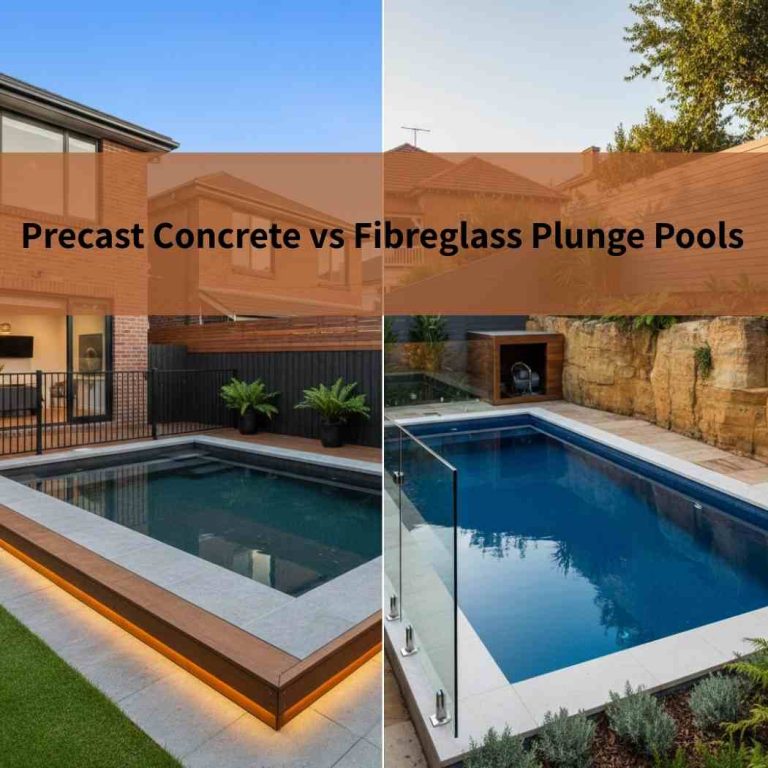
A concrete plunge pool is custom-built on-site to suit your space and design, while a fibreglass plunge pool is a pre-made shell delivered ready to install. Both offer great benefits, but they differ in cost, flexibility, and installation time.
Concrete is ideal for homeowners who want a fully tailored look and premium finishes, while fibreglass is perfect for quick installations with lower maintenance needs. The best choice depends on your budget and design goals.
| Feature | Concrete Plunge Pool | Fibreglass Plunge Pool |
|---|---|---|
| Design Flexibility | Fully custom shape, size, and finish options | Limited to pre-made moulds and styles |
| Installation Time | 6–10 weeks on average | 2–4 weeks, much faster to install |
| Durability | Very strong, can last for decades | Durable shell with smooth gel-coat surface |
| Maintenance | Needs occasional surface cleaning or resealing | Low maintenance, easy to clean |
| Cost Range | $45,000 – $75,000+ | $30,000 – $50,000 |
| Finish Options | Tiling, pebblecrete, or custom render | Smooth pre-finished surface, limited colour choices |
| Repairs | Easy to repair and remodel over time | Harder to repair cracks or shell damage |
| Best For | Custom designs, unique spaces, long-term investment | Busy families wanting a fast and affordable option |
A concrete plunge pool gives you full design control, allowing creative shapes, luxury finishes, and built-in features like benches or jets. It takes longer to build but offers unmatched durability and customisation. A fibreglass plunge pool is ideal if you want a fast, ready-to-use pool that looks sleek and is easy to maintain. It’s cost-effective and popular in Sydney for homeowners who prefer a simple, quick installation without the need for heavy construction.
Installation Styles — Above Ground, Semi-Inground & Inground
Your yard slope and access decide which installation suits best. Each style offers different benefits in cost, look, and how it fits your space. When your site has steep grades or narrow paths, Sydney plunge pool access constraints can change the best installation style and the excavation approach.
Above-ground
Fast to install and budget-friendly. Perfect for sloped or tricky sites where digging is hard. This type is great for quick setups or when you want a simple modern look without major excavation.
Semi-inground
Half above, half below the surface. It gives a balanced look that blends well with timber decking or garden retaining walls. Works best for uneven blocks or backyards that want a smooth transition between the pool and the outdoor area.
In-ground:
Fully installed below ground for a seamless, premium finish. Best suited for flat sites with easy access. It’s the most timeless option and pairs beautifully with paving, tiles, or landscaped surrounds.
Choosing the right installation style depends on your soil type, space, and budget. For tight or sloped Sydney yards, above-ground or semi-inground pools are often the easiest and most cost-effective choice. If you want a luxury backyard look, an in-ground plunge pool gives the cleanest finish and long-term value.
Installation Process Overview
Most plunge pools take 4–10 weeks to build, depending on the material and design.
Steps:
- Site check and approvals – A builder inspects your yard, reviews access, and applies for council approval.
- Excavation and base preparation – The team digs the area and levels the base for the pool.
- Pool shell delivery and placement – The shell or formwork is positioned and checked for alignment.
- Plumbing and electrical work – Pipes, filters, pumps, and lighting systems are connected.
- Backfilling and finishes – The pool area is filled, stabilised, and completed with tiling, coping, or decking.
- Fence and safety inspection – A compliant fence and self-closing gate are added before the final inspection.
Tip: Always confirm crane or truck access before starting. It’s one of the most common causes of construction delays in Sydney homes.
A well-planned installation makes a big difference to how smooth your project runs. Concrete plunge pools usually take around 6–10 weeks, while fibreglass or precast options can be installed in as little as 4–6 weeks.
The timeline depends on access, weather, council approvals, and how detailed your finishes are. Working with an experienced local installer helps you stay on schedule and ensures everything meets NSW safety standards from excavation to handover.
Choosing the Right Plunge Pool for Your Space and Budget
The right plunge pool depends on your yard size, access, and budget. Small fibreglass or precast models suit tight Sydney spaces, while custom concrete designs are ideal if you want unique shapes and finishes.
When picking a plunge pool, start by measuring your available space and checking access for trucks or cranes. This helps decide whether an above-ground, semi-inground, or in-ground setup will work best.
If you have a small or sloped backyard, a precast or fibreglass pool is usually faster and cheaper to install. These pools are factory-made and delivered ready to place, which means less digging and shorter build times.
For homeowners who want a luxury finish or a custom shape, a concrete plunge pool offers the most design freedom. You can choose your depth, tile style, colour, and added features like spa jets, LED lighting, or heating systems.
When planning your budget, also include fencing, landscaping, and approvals, as these can add to your total cost. On average, Sydney plunge pools range between $25,000 and $75,000, depending on material and design.
If you’re unsure which option suits your property, a local pool builder can assess your site and suggest the most practical design for your goals and budget.
Eco-Friendly and Energy-Efficient Plunge Pool Options
You can make your plunge pool eco-friendly by using energy-efficient pumps, solar heating, and mineral or saltwater systems. These upgrades lower running costs, save water, and make your pool gentler on the environment.
Modern plunge pools are designed with sustainability in mind. Because they’re smaller than standard pools, they already use less water, power, and chemicals. Still, there are a few ways to make them even more eco-friendly.
- Energy-efficient pumps and filters: Choose a variable-speed pump that uses less electricity while keeping water clean. These pumps automatically adjust flow rates to save energy when the pool isn’t in use.
- Solar or heat pump systems: Use solar panels or a high-efficiency heat pump to warm your pool water naturally. Sydney’s sunny climate makes solar heating a great choice for year-round use.
- Mineral or saltwater systems: Swap traditional chlorine for a mineral pool system, which uses magnesium or potassium salts. It’s softer on the skin and better for the environment.
- LED lighting: Low-voltage LED lights use far less power and last longer than traditional pool lights.
- Pool covers: A simple thermal cover helps keep the water warm, reduces evaporation, and protects your pool from debris.
Eco-friendly plunge pools don’t just save money, but they also create a more sustainable backyard experience. With the right setup, you can enjoy your pool comfortably while keeping your environmental impact low.
Common Installation Mistakes (and How to Avoid Them)
Most plunge pool installation problems come from poor planning or skipped checks. Avoid these mistakes to save time, money, and stress during your build.
Avoid these mistakes:
- Ignoring soil or drainage reports
- Forgetting council approvals
- Skipping access checks for cranes or trucks
- Choosing the wrong size or depth for your yard
- Hiring unlicensed or inexperienced builders
Building a plunge pool is exciting, but small oversights can lead to big delays or extra costs. Before you start digging, always make sure you’ve completed all site and council checks.
Soil and drainage reports help your builder understand ground conditions and prevent future movement or water issues. Without them, your pool could crack or shift over time.
Council approval is another step that’s often missed. In most areas, you’ll need permission for pools deeper than 0.3m, along with a compliant fence and safety certificate.
Access is another common issue. Many Sydney homes have narrow driveways or tight spaces that make it hard for cranes or delivery trucks to reach the site. Checking access early helps avoid last-minute surprises and extra crane hire costs.
Finally, make sure your pool size fits your backyard and lifestyle. Oversized pools take up valuable space and cost more to maintain, while smaller designs are easier to care for and heat.
Working with a trusted local installer helps prevent these problems. They’ll handle council paperwork, site checks, and approvals for you, following all Sydney Council requirements for safety and compliance.
Safety & Compliance: NSW Regulations You Must Know
In New South Wales, any plunge pool deeper than 0.3 metres needs council approval and must follow state pool safety laws.
Key rules:
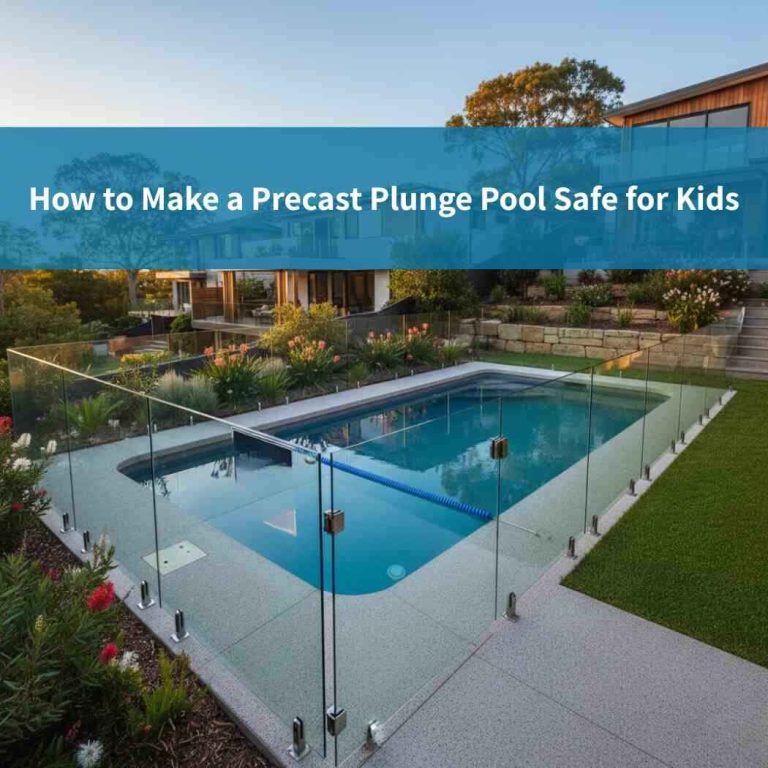
- A fence at least 1.2 metres high must surround the pool
- Gates must be self-closing and have childproof latches
- A CPR safety sign must be displayed clearly near the pool
- A final inspection and safety certificate are required before handover
Pool rules in NSW are designed to keep families safe and ensure pools meet all construction and safety standards. Before starting your plunge pool project, you’ll need to lodge a development or complying construction certificate with your local council.
Once approval is granted, the pool must be installed according to the NSW Swimming Pools Act 1992 and Australian Standard AS1926.1. This includes following the correct fencing height, latch types, and barrier distances from the house or other structures.
Before you can use your pool, a certified inspector or council officer will check the site to make sure all safety rules are met. You’ll then receive a compliance certificate confirming that your pool meets the law.
It’s also good practice to check your property’s zoning and boundary setbacks before installation. Local councils, like North Sydney Council, can confirm the specific rules that apply to your home and guide safety inspections and approvals.
How Much Does a Plunge Pool Cost in Sydney?
Most plunge pools in Sydney cost between $30,000 and $75,000, depending on the pool’s size, material, and property access, plus extras for fencing, soil removal, or heating.
Average costs by type:
| Type | Average Cost (AUD) |
|---|---|
| Precast | $30,000 – $40,000 |
| Fibreglass | $30,000 – $50,000 |
| Concrete | $45,000 – $75,000 |
The final cost of a plunge pool depends on several factors including your yard layout, soil type, and the type of pool you choose. Precast plunge pools are usually the most affordable because they’re factory-made and delivered ready to install, cutting down on labour and on-site work.
Fibreglass plunge pools cost a little more but come with smooth finishes, built-in seating, and quick installation times. They’re ideal for homeowners who want a low-maintenance option.
Concrete plunge pools sit at the higher end of the range because they’re fully customised. You can choose any shape, finish, or feature, but they take longer to build and often involve more excavation and waterproofing work.
When planning your budget, also allow for fencing, access equipment, crane hire, landscaping, filtration systems, and heating. These extras can add between $5,000 and $15,000 depending on your site conditions.
While prices can vary, many Sydney homeowners see plunge pools as a smart investment that adds long-term property value and turns small backyards into private retreats.
What Are the Advantages and Disadvantages of a Plunge Pool?
Plunge pools are compact, stylish, and affordable to run, but they’re too small for lap swimming or large families. They’re perfect for relaxing homes, not fitness pools.
Pros:
- Compact and fits in small yards
- Low running costs and easy upkeep
- Stylish design that adds property value
- Faster installation than large pools
Cons:
- Too small for lap swimming
- Limited play space for big families
A plunge pool is best suited for homeowners who want a relaxing spot to unwind rather than a full-size pool for exercise or play. Its smaller size means lower water and energy use, which helps keep bills down and makes it easier to maintain year-round.
While it may not suit every family, many Sydney homeowners choose plunge pools because they blend beautifully with small backyards and provide the perfect mix of comfort, convenience, and style.
If you value easy care and a modern outdoor look over size or swimming space, a plunge pool is an ideal choice.
Final Thoughts — Is a Plunge Pool Right for You?
For many Sydney homes, a plunge pool is the perfect mix of comfort, beauty, and practicality. It makes the most of small backyards and brings a touch of everyday luxury to city living.
If you’re ready to add a plunge pool to your home, talk to the friendly team at North Sydney Plunge Pools. We’ll help you design, plan, and install a pool that fits your space, style, and budget.
Book your on-site consultation and design assessment today and start enjoying your very own compact backyard retreat!
FAQs
Can a plunge pool be added to an existing backyard without major renovation?
Yes, a new pool can often be installed in your backyard without major renovation. Many Sydney homeowners choose fibreglass or precast plunge pools, which fit easily into existing outdoor spaces. A skilled pool builder will check access, soil, and layout before installation to make sure the job runs smoothly.
What heating options are best for small plunge pools in Sydney’s climate?
The best heating systems for small plunge pools are solar, gas, or electric heat pumps. These options keep water warm without high running costs. Modern pools are designed to hold heat efficiently, making them perfect for Sydney’s mild winters and extended outdoor living season.
Are plunge pools suitable for families with kids or pets?
Yes, plunge pools are suitable for families when built with safety in mind. Add secure fencing, lockable covers, and shallow steps for easy entry. Plunge pools come in family-friendly designs that follow NSW safety rules, helping every owner-builder or homeowner create a safe backyard space.
Can a plunge pool be installed indoors or under a deck in Sydney homes?
Yes, a pool can be installed indoors or under a deck if the structure allows. This style works well for private, weather-protected areas. Your builder will check the design, waterproofing, and council rules to make sure your indoor pool is safe and compliant.