At North Sydney Plunge Pools, the team builds high-quality plunge pools designed for comfort, style, and easy maintenance. Whether you have a small courtyard, a modern family home, or a narrow block, they can create the right design to suit your property and local climate.
In this guide, you will learn the key differences between indoor and outdoor plunge pools, their pros and cons, installation steps, and how to choose the right option for your Sydney home.
Understanding the Basics
A plunge pool is a small, deep pool made for cooling off, relaxing, or enjoying hydrotherapy. It’s perfect for homes in Sydney, where space can be limited but style is a priority.
An indoor plunge pool is built inside or under cover, while an outdoor plunge pool sits in an open backyard area. Both types can be custom-designed by Plunge Pools North Sydney to fit your lifestyle and home layout.
Comparison Summary: Indoor vs Outdoor
| Pool Type | Location | Best For |
|---|---|---|
| Indoor Plunge Pool | Inside or under cover | Privacy and year-round comfort |
| Outdoor Plunge Pool | Backyard or open area | Entertaining and natural light |
Advantages of Indoor Plunge Pools
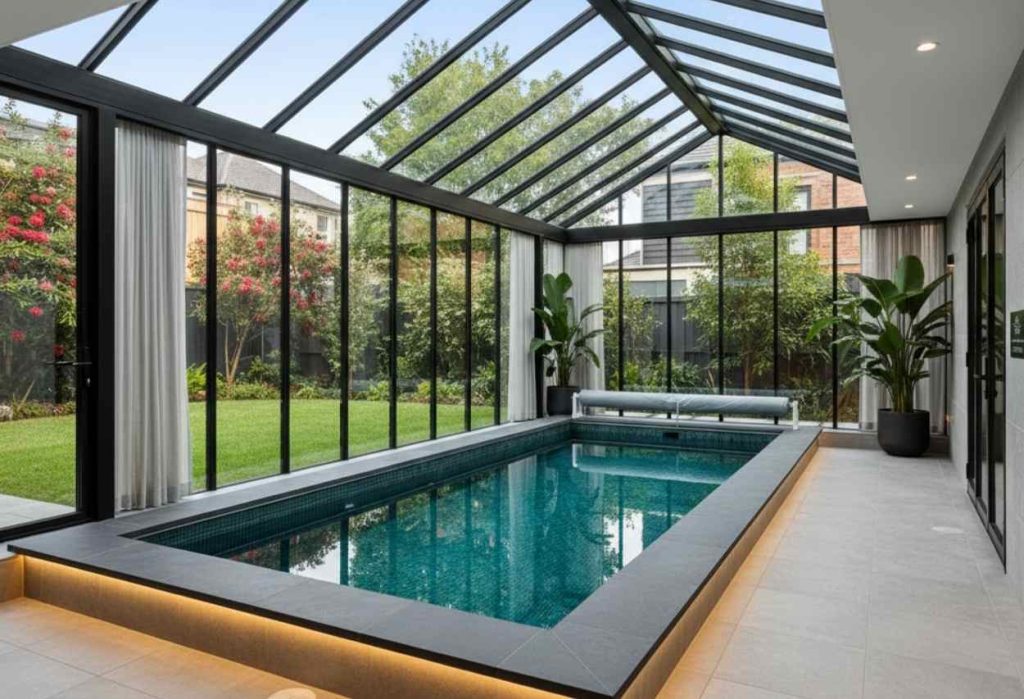
Indoor plunge pools offer:
- Year-round comfort and use
- Privacy and protection from the weather
- Easier cleaning with less dirt or leaves
- Better energy efficiency for heating and cooling
They work well for homes that want a calm, spa-like area connected to a gym, bathroom, or wellness room.
Disadvantages of Indoor Plunge Pools
Indoor plunge pools usually cost more to build because they need waterproofing, ventilation, and structural support. Moisture control is vital — without good ventilation, dampness can build up over time. Smaller Sydney homes may not have the space for a full indoor setup.
Indoor plunge pools can cost around 20–40% more than outdoor ones due to these added systems.
Advantages of Outdoor Plunge Pools
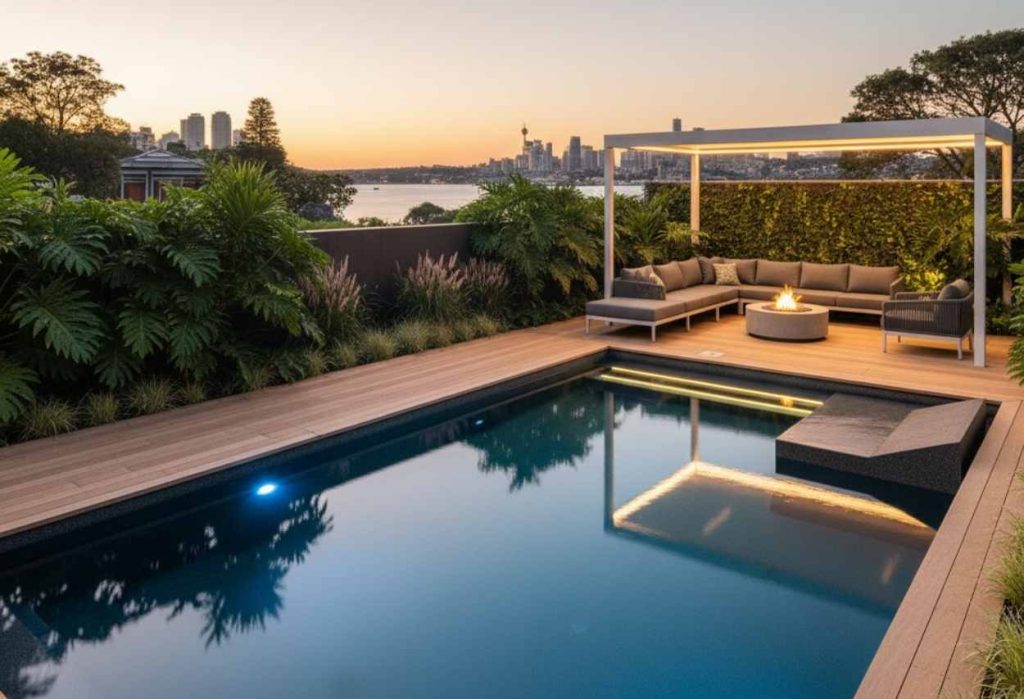
Outdoor plunge pools are perfect for enjoying Sydney’s sunny climate. They make backyards more fun and are great for families or entertaining friends.
They cost less to install because there’s no major building work required. You can also add features like:
- Timber decking
- Garden landscaping
- LED pool lighting
- Outdoor seating or pergolas
Fibreglass plunge pools are popular outdoors because they are quick to install and easy to maintain.
To see why plunge pools boost outdoor living without high upkeep, why plunge pools are a smart upgrade for Sydney homes covers comfort, resale appeal, and easy maintenance.
Disadvantages of Outdoor Plunge Pools
Outdoor plunge pools need more care. Leaves, dust, and sunlight can affect water quality and pool finishes. They also get used less in winter unless heating is added.
To reduce maintenance, use a pool cover or glass fencing to keep debris out. With good planning from Plunge Pools North Sydney, you can still enjoy your pool all year round.
Cost Comparison: Indoor vs Outdoor
Indoor plunge pools are generally 20–40% more expensive than outdoor ones because of the materials and systems needed to manage heat and moisture.
Outdoor plunge pools cost less upfront but may need more regular cleaning and maintenance.
| Pool Type | Average Cost Range | Inclusions / Notes |
|---|---|---|
| Indoor Plunge Pool | $40,000 – $60,000 | Includes waterproofing and air control systems. |
| Outdoor Plunge Pool | $25,000 – $40,000 | Lower build cost but higher upkeep requirements. |
Installation Challenges
Indoor plunge pools often need:
- Waterproof walls and flooring
- Structural reinforcements
- Air control or dehumidifier systems
Outdoor plunge pools usually require:
- Excavation and drainage
- Council approval or Complying Development Certificate (CDC)
- Cranes or access checks for tight sites
Many Sydney blocks are narrow or sloped, so Plunge Pools North Sydney helps plan every step from permits and access to safe, professional installation.
How the Systems Work
Indoor plunge pools use:
- Dehumidifiers and ventilation systems to manage humidity
- Insulation to control temperature
- Energy-efficient heat pumps for comfort
Outdoor plunge pools rely on:
- Good drainage and filtration systems
- Weather-resistant materials
- Regular pump checks to keep water clear and balanced
Common Mistakes to Avoid
Avoid these mistakes:
- Forgetting to plan ventilation or drainage early
- Using materials that fade or wear under sunlight
- Ignoring council approval rules or site access limits
Working with an experienced builder like Plunge Pools North Sydney ensures your pool project runs smoothly and meets local building standards.
Best Pool Types for Different Homes
- Small homes or apartments: indoor plunge pools make smart use of limited space and add privacy.
- Family homes: outdoor plunge pools offer space for fun, gatherings, and relaxation.
- Luxury or courtyard homes: semi-enclosed plunge pools combine open-air light with indoor comfort.
Choosing the Right Plunge Pool for Your Space
Before deciding, think about:
- The space and layout of your home
- Your budget and ongoing maintenance
- Council rules and site access
Checklist:
✅ Do you want a private spa or a family-friendly pool?
✅ Is your layout suited to indoor or outdoor design?
✅ Have you considered heating and ventilation?
✅ Talk to Plunge Pools North Sydney for expert guidance.
Sydney’s mild climate makes outdoor plunge pools practical, but indoor ones suit those who want relaxation and privacy no matter the weather.
If you’re working with narrow blocks or compact courtyards, small backyard plunge pool layout ideas can help you plan seating zones, privacy screens, and circulation space.
Converting an Outdoor Pool into an Indoor One
It’s possible to convert an outdoor plunge pool into an indoor one, but it takes careful planning. Builders may need to add roofing, walls, and ventilation systems. This can cost 30–50% more than a new outdoor pool and take several weeks to complete.
This upgrade is great for homeowners who want privacy and year-round comfort. Plunge Pools North Sydney can design and manage this transformation from start to finish
Which Option Works Best for Sydney Homes?
If you love privacy and year-round comfort, an indoor plunge pool is best.
If you prefer fresh air, sunlight, and entertaining outdoors, an outdoor plunge pool is perfect.
Some Sydney homes choose semi-enclosed designs to enjoy both sunlight and weather protection.
Conclusion
Indoor pools offer privacy and all-season comfort, while outdoor pools give open-air enjoyment and easy access. The best choice depends on your space, lifestyle, and budget.
If you’re unsure which type suits your home, let our plunge pool builder team at North Sydney Plunge Pools can help you compare designs, costs, and features.
Ready to build your dream plunge pool? Contact North Sydney Plunge Pools today for a free on-site consultation and let the experts help plan your ideal pool.
FAQs
Can I install an indoor plunge pool in an existing home, or does it need to be part of a new build?
Yes, you can install an indoor plunge pool in an existing home with the right planning and structural support. Builders may need to strengthen floors, add waterproofing, and ensure proper ventilation. It’s often easier during renovations or extensions, and Plunge Pool North Sydney can assess your space to make sure installation is safe and compliant.
What are the council approval steps for adding a plunge pool in Sydney?
To install a plunge pool in Sydney, you’ll need council approval or a Complying Development Certificate (CDC). This involves engineering plans, safety fencing details, and inspections that meet NSW swimming pool laws. Plunge Pool North Sydney helps homeowners prepare documents and manage applications to keep the approval process smooth and stress-free.
Are there eco-friendly heating options for indoor and outdoor plunge pools?
Yes, energy-efficient heating options like solar panels, heat pumps, and thermal covers work well for plunge pools. These systems reduce energy use and keep water warm all year. Many Sydney homeowners opt for solar heating for outdoor pools to capitalise on local sunlight and reduce operating costs.
How can lighting and landscaping improve the look of an outdoor plunge pool?
Thoughtful lighting and landscaping can turn an outdoor plunge pool into a relaxing retreat. LED pool lights, garden uplights, and soft feature lighting create a mood and highlight water textures at night. Surrounding plants, decking, or stone features also enhance the design and help the pool blend naturally with your outdoor space.
What safety features are required for plunge pools under NSW regulations?
In NSW, all plunge pools must follow the Swimming Pools Act 1992, which includes a compliant safety barrier and secure self-closing gate. The pool area must also meet fencing height and latch standards. Plunge Pool North Sydney ensures every design meets local safety rules and provides guidance on inspections and certification.